Applicant & Product
- Applicant/manufacturer details
- Indian importer/dealer details where relevant
- Brand/trade name
- Model/type
- Intended use
- Operating principle

A Model Approval Certificate is the Central Government approval required before manufacturing or importing regulated weights or measures under Section 22, subject to statutory exemptions.
LexAccord Global provides end-to-end support across applicability, exemption review, technical-file preparation, model testing, laboratory coordination, regulatory queries, certificate review and downstream Legal Metrology compliance.

Director of Legal Metrology → recognised laboratory → Central Government certificate.
Section 22 contains specific statutory exemptions. Applicability should be determined before committing to testing, import schedules or manufacturing launch.
Model Approval is the regulatory evaluation of the design and metrological characteristics of a weight or measuring instrument before commercial manufacture or import in India.
The process evaluates the final model against applicable dimensions, construction, materials, performance, accuracy, anti-tampering features, sealing arrangements and other technical requirements so instruments produced to that design can comply consistently.
Last regulatory review: 6 September 2026 · Section 22 · Legal Metrology (Approval of Models) Rules, 2011
| Regulatory Point | Current Position |
|---|---|
| Legal Basis | Section 22, Legal Metrology Act, 2009 |
| Rules | Legal Metrology (Approval of Models) Rules, 2011 |
| Applicant | Manufacturer / Importer |
| Application Authority | Director of Legal Metrology |
| Certificate Issuer | Central Government |
| Testing Authority | Recognised laboratory allocated by Director |
| Mechanical Test Fee | ₹10,000 |
| Digital / Electronic Test Fee | ₹25,000 |
| Foreign-Approved Model | May be approved without testing or after such testing as authority considers appropriate |
| Regular Certificate Validity | No general fixed periodic expiry prescribed |
| Provisional Certificate | Generally maximum one year, subject to permitted extension |
| Compliance | What It Approves |
|---|---|
| Model Approval | Design/model of the weight or measuring instrument |
| Manufacturer Registration | Business undertaking regulated manufacturing activity |
| Section 19 Importer Registration | Importer of regulated weights and measures |
| Verification & Stamping | Individual instrument conformity before applicable commercial use |
| Dealer Registration | Applicable sale/dealing activity |
| Repairer Registration | Applicable repair activity |
The requirement should be assessed before manufacture, commercial import or material design change.
Potentially—but it is discretionary, not automatic.
Where the prescribed authority is satisfied that a model already approved outside India conforms to Indian standards, Section 22 allows approval without further testing or after such testing as the authority considers appropriate.
The exact technical file varies by instrument, technology and applicable specification.

Testing can cover accuracy, stability, influence factors, sustained performance and applicable maximum permissible errors.
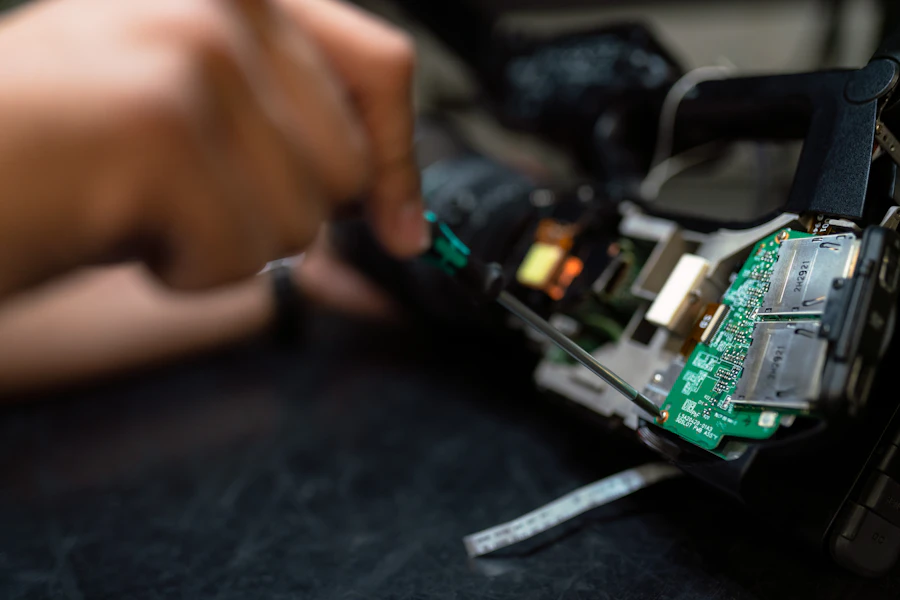
The laboratory may evaluate sealing locations, safeguards against unauthorised adjustment and design features intended to resist fraudulent use.
| Model Type | Prescribed Testing Fee | Additional Cost Factors |
|---|---|---|
| Mechanical weight / measure / weighing or measuring instrument | ₹10,000 | Applicant-side logistics or off-site testing expenses may apply |
| Digital / electronic weight / measure / weighing or measuring instrument | ₹25,000 | Applicant-side logistics or off-site testing expenses may apply |
| Testing substitute material | 50% of applicable testing fee | Where applicable under the prescribed testing framework |
Confirm whether Section 22 applies and whether a statutory exemption is available.
Map the applicable standard and prepare drawings, specifications, software, circuitry, seals and manuals.
Submit through the applicable Department of Consumer Affairs Model Approval System.
Director allocates the model to an appropriate recognised laboratory for evaluation and report.
Director review → Central Government certificate → manufacturer/importer registration and verification as applicable.
A model that is not recommended for approval can be corrected and resubmitted—but the cost impact can be significant.
A disapproved model that is resubmitted is treated as a fresh application for testing and fee purposes. Pre-filing review of drawings, model configuration, circuitry, software, sealing and test evidence can reduce avoidable re-testing risk.
The Approval of Models Rules contain a provisional-approval mechanism where testing is expected to take more than three months and satisfactory preliminary reports are available.
A provisional certificate generally cannot remain valid for more than one year from issue, although the Rules provide mechanisms for extension in specified circumstances. Provisional approval is not automatic and remains subject to regulatory conditions.
Regular approval continues subject to conformity with the approved model, applicable standards and certificate conditions.
Significant changes to design, circuit diagram, metrological operation, software affecting measurement, materials, accuracy systems or anti-tampering controls should be assessed before implementation.
The next requirements depend on whether the business manufactures, imports, sells, verifies or repairs regulated instruments.
| /01 | Manufacturer Registration |
| /02 | Section 19 Importer Registration |
| /03 | Verification & Stamping |
| /04 | Dealer Registration where applicable |
| /05 | Use of approved model mark/code |
| /06 | Production control against approved configuration |
| /07 | Regulatory review before material design changes |
Complete the Section 22 exemption and scope assessment before paying for testing.
Incomplete construction, sectional or dimensional drawings can prevent effective technical evaluation.
Catalogue, drawings, circuit diagram, software and physical sample should describe the same regulatory configuration.
Sealing and access-control arrangements should be technically clear before laboratory review.
Firmware/software versions and checksums should be controlled where they affect metrological performance.
Material changes may fall outside the existing approval even if the commercial model name remains unchanged.
The supplied regulatory research identifies the current Section 32 enforcement framework following the 2026 amendments.
| Offence Stage | Section 32 Position |
|---|---|
| First offence | Improvement Notice |
| Second offence | Penalty up to ₹5 lakh |
| Subsequent offences | Fine of ₹10 lakh to ₹20 lakh |
We determine whether Section 22 applies and whether an exemption may be available before formal testing begins.
Drawings, specifications, circuitry, software, sealing arrangements and existing reports are reviewed for regulatory consistency.
We support recognised-laboratory/RRSL readiness, technical clarifications and regulatory observations through the approval process.
The engagement can continue into Manufacturer Registration, Section 19 Importer Registration, Dealer Registration and Verification & Stamping.
Direct answers on Section 22, testing, RRSL, fees, foreign approvals, certificate validity and design changes.
A Model Approval Certificate is the Central Government approval for a regulated model of weight or measure under Section 22 of the Legal Metrology Act, 2009. It evaluates the design and metrological characteristics of the model before manufacture or import, subject to statutory exemptions.
No. Section 22 generally requires Model Approval before manufacturing or importing a regulated weight or measure, but the Act contains specific statutory exemptions for certain categories.
The application is processed through the Director of Legal Metrology. An appropriate recognised laboratory conducts testing and provides its report. Where approval is recommended, the Central Government issues the certificate.
The prescribed testing fee is ₹10,000 for mechanical models and ₹25,000 for digital or electronic models under the current Rule 19 fee structure.
Testing is undertaken through an appropriate recognised laboratory. RRSLs commonly perform such testing, but the Rules are framed around recognised laboratories rather than RRSLs exclusively.
Potentially. Where the authority is satisfied that a model approved outside India conforms to Indian standards, it may approve the model without further testing or after such testing as it considers appropriate.
The Approval of Models Rules do not prescribe a general periodic expiry for a regular Model Approval Certificate. A provisional approval is different and generally cannot exceed one year unless appropriately extended.
Where approval is not recommended, the applicant may modify and resubmit the model. A disapproved model resubmitted for approval is treated as a fresh application for testing and fee purposes.
Material changes should be assessed before implementation. Significant alteration of the approved design or circuit diagram can affect the existing approval and may be grounds for revocation.
Under the current Section 32 framework stated in the supplied research, a first offence attracts an Improvement Notice, a second offence can attract a penalty up to ₹5 lakh, and subsequent offences can attract fines from ₹10 lakh to ₹20 lakh.
Start the Section 22 assessment before your manufacturing or import timeline is locked.
Share your instrument details and our Legal Metrology team can map the applicable pathway.